Are your UPVC window frames appearing worn or outdated? Whether it is your UPVC windows or UPVC doors, painting them presents an excellent opportunity to revitalize your home’s exterior while simultaneously enabling a refreshing color change. Painting them presents an excellent opportunity to revitalize your home’s exterior while simultaneously enabling a refreshing color change. This article examines the rationale behind painting UPVC frames, outlines the necessary materials, and offers a comprehensive step-by-step guide to ensure a professional finish. Additionally, it covers essential tools needed and painting tips to achieve the best results. Whether addressing existing damage or merely enhancing the aesthetic appeal of your home, you will find valuable tips and strategies for executing a successful project.
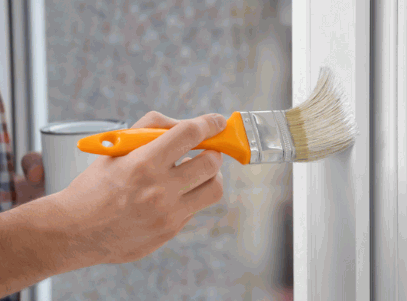
Why Paint UPVC Window Frames?
Painting UPVC window frames represents an important home improvement endeavor that not only enhances the visual appeal of a property but also provides a durable solution for preserving the integrity of the window frames.
By employing appropriate techniques and high-quality materials, do-it-yourself enthusiasts can attain a professional finish in a residential setting, thereby significantly prolonging the lifespan of their windows while enhancing their overall appearance.
Additionally, a fresh coat of paint can revitalize dull or damaged frames, giving them a renewed look and contributing positively to the overall value of the property.
Explore further: Can UPVC Window Frames Be Painted
To Change The Color
Changing the color of UPVC window frames can significantly transform the aesthetic of a residence, providing a contemporary appearance that reflects personal style and color preferences. This colour choice can rejuvenate the visual appeal of your home, making it look brand new. Color plays a crucial role in shaping the overall ambiance of a space, influencing both aesthetics and the moods and emotions of its occupants.
When considering color options for UPVC window frames, homeowners will find a diverse array of choices that can enhance their property’s charm and appeal. Colors such as deep blues and greens can evoke tranquility, fostering a serene environment, while warm shades like yellows and browns can cultivate a welcoming and cozy atmosphere. These psychological effects resonate with the principles of color therapy, which indicate that different hues can elicit specific feelings and responses.
- Trendy Choices: Soft pastels remain a popular selection for a gentle and modern touch.
- Bold Alternatives: Rich jewel tones are experiencing a resurgence, ideal for those seeking a striking statement.
- Classic Neutrals: Shades such as grey and taupe continue to attract homeowners in search of timeless elegance.
In contemporary home decor trends, blending colors and contrasting them against traditional whites can create remarkable visual interest, showcasing individuality and personal style.
To Cover Up Damage Or Stains
UPVC windows are susceptible to damage and staining as a result of exposure to various weather conditions. Repainting these windows serves as an effective method to conceal imperfections while restoring their original appearance.
Over time, the relentless forces of nature—such as UV rays and rain—can significantly impact the integrity and aesthetics of UPVC window frames. Common issues that arise include fading, discoloration, and surface scratches, all of which can compromise both the appearance and functionality of the windows. Thus, the importance of restoration through painting cannot be overstated. Properly repainting UPVC windows not only enhances curb appeal but also extends their lifespan by providing a protective layer against further deterioration.
Consistent maintenance is essential to prevent these issues from recurring. Regular cleaning to remove dirt and grime, in conjunction with the application of appropriate protectants, can yield significant benefits.
Below are several tips for preparing surfaces prior to repainting:
- Begin by thoroughly cleaning the frames with warm, soapy water to eliminate any dirt.
- Rinse the frames and allow them to dry completely to ensure proper adhesion.
- Lightly sand the surface to create a texture that facilitates effective bonding of the new paint.
- Apply a high-quality primer specifically designed for UPVC, such as Zinsser Bulls Eye 1-2-3 Primer or Dulux Weathershield.
- Select a durable paint suitable for exterior use and apply it evenly.
To Improve Aesthetics
Improving the aesthetics of one’s home is a significant rationale for painting UPVC window frames, as a well-executed paint job can enhance the overall facade and appeal of the property.
This enhancement not only elevates visual appeal but also plays a crucial role in increasing property value. A cohesive design is essential for making a positive impression, and the integration of UPVC window frames into the overall aesthetic scheme can yield a striking effect.
To achieve a quality finish that aligns with contemporary design trends, it is advisable to consider the following techniques:
- Select color palettes that complement the existing architecture and setting.
- Ensure surfaces are smooth by effectively sanding and priming.
- Utilize high-quality paint specifically formulated for plastic surfaces.
- Incorporate finishes such as gloss or satin to add depth.
By attending to these details, homeowners can significantly enhance the appearance and longevity of their window frames while remaining consistent with their overall design vision.
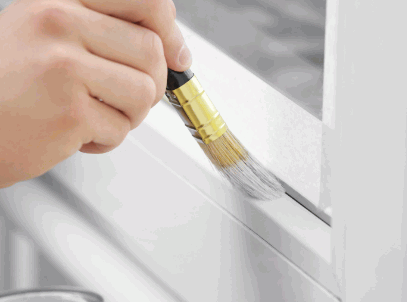
What You Will Need For Painting UPVC Window Frames
To successfully paint UPVC window frames, it is crucial to gather the appropriate tools and materials to ensure a smooth and effective painting process. Essential items include a high-quality primer to promote good adhesion, weather-resistant paint suitable for both interior and exterior applications, and a variety of brushes and rollers for even paint application.
Proper preparation is paramount; therefore, having painter’s tape, sandpaper, and cleaning supplies readily available will contribute to achieving a professional finish and addressing any surface imperfections.
Primer
Primer plays a crucial role in the painting of UPVC window frames, as it facilitates optimal adhesion for the paint, thereby ensuring a durable finish that can withstand various environmental conditions.
The use of an appropriate primer is essential for achieving a resilient paint application. In this context, Zinsser Bulls Eye 1-2-3 Primer is an excellent option for UPVC surfaces, as it is specifically formulated to adhere effectively to non-porous materials. This primer not only enhances paint adhesion but also contributes to the creation of a uniform surface, which is vital for improving the overall aesthetic quality of the finished project.
- Durability: A suitable primer significantly extends the lifespan of the paint by providing a robust foundation that resists peeling and fading, ensuring a long-lasting finish.
- Color Enhancement: It also enhances the vibrancy of topcoats, allowing colors to appear more accurate and brilliant.
- Moisture Barrier: Effective priming prevents moisture infiltration into the substrate, minimizing the risk of future damage.
By investing time in proper priming, the outcomes will manifest in a flawless finish, reducing the need for frequent touch-ups or repainting and ultimately conserving time and resources in the long term.
Paint
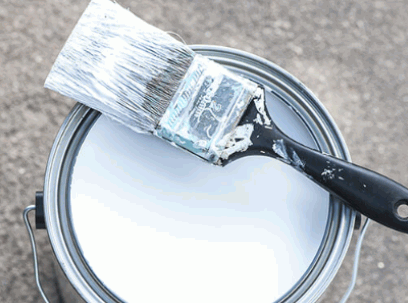
Selecting the appropriate paint for UPVC window frames is essential; weather-resistant acrylic paint is frequently recommended due to its durability, ensuring that the window frames maintain their vibrancy and protection over time.
When considering paint options for these surfaces, a variety of choices are available, each designed for specific needs and environmental conditions. Acrylic paint is particularly notable as it possesses an impressive capacity to endure harsh weather conditions, making it suitable for external applications. Its exceptional adhesion and flexibility help prevent cracking over time.
Conversely, when choosing paint for interior UPVC frames, it is important to consider options that offer an appropriate gloss and a soft finish, as these aspects contribute significantly to the overall aesthetic of the space.
- Exterior Paint: Specifically formulated to resist environmental elements, ensuring longevity and requiring minimal maintenance.
- Interior Paint: Emphasizes appearance and ease of application, available in a range of finishes.
- Acrylic Paint: Provides a long-lasting finish with resistance to fading and enhanced flexibility.
These advantages position acrylic paint as a preferred choice across many applications, offering reassurance that fluctuations in weather will not compromise the integrity of the paint job.
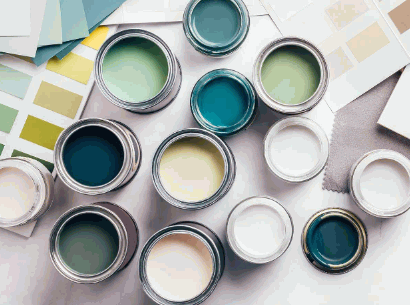
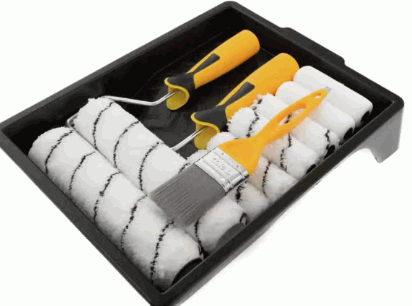
Paintbrushes Or Rollers
Utilizing the appropriate paintbrushes or rollers is essential for achieving a smooth finish on UPVC window frames. The choice of these tools significantly influences the quality of the paint application and can impact the durability of the finish over time.
When selecting suitable paint application tools, it is important to consider the various types of brushes, rollers, and paint sprayers available. Each tool serves a specific purpose based on the surface and the desired outcome:
- Brushes: These are ideal for precision tasks, such as painting corners and edges. Different bristle types are designed to accommodate various paint viscosities. Natural bristle brushes are most effective with oil-based paints, while synthetic brushes are better suited for water-based options. A paint brush is essential for detailed work.
- Rollers: These tools are appropriate for covering larger areas efficiently and come in various nap lengths. A shorter nap is best for smooth surfaces, whereas a longer nap works well for textured materials. Using a paint roller ensures even coverage.
Selecting the correct tool is crucial for ensuring a high-quality finish. To achieve an even application, consider implementing the following techniques:
- Ensure that the surface is clean and adequately prepared prior to applying paint.
- Utilize long, steady strokes to distribute paint uniformly.
- Overlap strokes slightly to prevent missed spots and achieve a seamless appearance.
Masking Tape
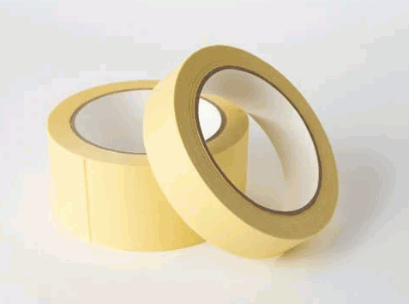
Painter’s tape, also known as masking tape, is an essential tool for any painting project, particularly when working with UPVC window frames, as it facilitates the creation of clean lines and protects adjacent surfaces from unintended paint application. It is one of the many masking products available to aid in precise painting.
Utilizing painter’s tape effectively ensures that the finished work maintains a professional appearance, and there are several advantages associated with its application. Primarily, it significantly reduces the risk of overspray and simplifies the cleanup process.
To achieve optimal results, it is critical to apply the tape correctly by adhering to the following steps:
- Begin by thoroughly cleaning the surface to eliminate any dust or grease, which can hinder proper adhesion.
- Measure and cut strips of painter’s tape to fit the surfaces you wish to protect, ensuring that the tape is pressed down firmly to prevent paint bleed.
- After painting, allow the paint to dry slightly before carefully removing the tape at a 45-degree angle to achieve a seamless finish.
It is important to note that preparing a clean surface prior to commencing the painting process can significantly enhance the overall quality of the project.
Sandpaper
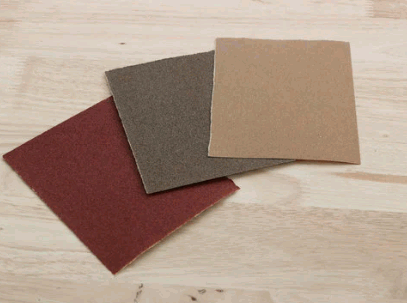
The use of sandpaper during the preparation phase is essential for achieving a smooth finish when painting UPVC window frames, as it facilitates the creation of a surface that enhances paint adhesion. Proper sanding techniques not only improve the durability of the paint application but also contribute to a visually appealing result.
When selecting sandpaper for UPVC surfaces, it is important to consider various types specifically designed for this material. The following are key types of sandpaper to consider:
- Coarse Grit Sandpaper: This type is ideal for initial sanding, effectively removing old paint and rough edges.
- Medium Grit Sandpaper: Suitable for smoothing the surface after the coarse grit has been applied.
- Fine Grit Sandpaper: Used as a final touch, this grit polishes the surface to ensure optimal paint application.
Utilizing these different grits in the appropriate order is crucial for achieving the desired professional finish. Sanding not only promotes better paint adhesion but also reduces the likelihood of imperfections that may detract from the overall aesthetic. Therefore, skillfully preparing UPVC surfaces through sanding is a critical step that can significantly impact the final outcome.
Cleaning Supplies
Having the appropriate cleaning supplies is essential for preparing UPVC window frames for painting, as a clean surface is critical to ensuring proper adhesion and achieving a high-quality finish.
To attain optimal results, it is important to gather cleaning supplies specifically designed for UPVC surfaces. The following items are integral to this process:
- Detergents: Non-abrasive, mild detergents are effective in removing dirt and grime without causing damage to the frame.
- Cloths: Microfiber cloths are preferred as they efficiently trap dust particles and provide a lint-free finish.
- Scrubbing Tools: Soft scrub pads or brushes can assist in lifting stubborn stains without scratching the vinyl.
Plus proper preparation, and maintaining the frames after painting are vital. It is recommended to regularly wipe them down with a damp microfiber cloth and a diluted detergent solution to remove dust and prevent buildup. By implementing these practices, one can ensure the longevity of beautifully painted window frames.

Step-by-Step Guide To Painting UPVC Window Frames
Achieving a successful paint job on UPVC window frames requires adherence to a comprehensive step-by-step guide. This guide is particularly helpful for DIY enthusiasts and DIYers looking to tackle painting projects. Each phase of the painting process is essential to ensure a smooth and durable finish that enhances both the aesthetics and functionality of the property.
This guide will provide detailed instructions, covering everything from preparation to the final touches, including tips on paint techniques and paint layers to ensure a high-quality result. It ensures that the efforts invested result in a long-lasting and professionally finished appearance.
Prepare The Window Frames
Preparing UPVC window frames adequately is the initial step in the painting process, and it is key to establishing a foundation for optimal adhesion and a professional finish. This includes preparing window sills and other areas.
To achieve the best results, homeowners should adhere to a series of essential steps prior to applying paint. It is advisable to begin with a comprehensive inspection to identify any signs of damage, such as cracks or warping. Addressing these issues promptly can prevent further complications in the future.
Subsequently, cleaning the surface is imperative, as it eliminates dirt, grime, and any contaminants that may hinder paint adherence. A solution of mild detergent and water is typically effective for this purpose.
Additionally, it is important to remove any old paint or flaking finish by scraping or sanding the surface, thereby providing a smooth base for the new coat. By diligently following these preparatory steps, one can achieve an aesthetically pleasing and durable result when painting UPVC window frames.
Sand The Surface
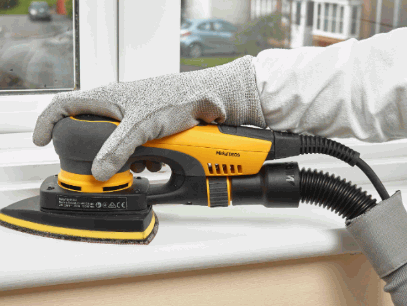
Sanding the surface of UPVC window frames is a crucial step in removing imperfections and ensuring a smooth finish, thereby facilitating proper adhesion of primer and paint.
To achieve optimal results, it is recommended to utilize fine-grit sandpaper, typically ranging from 180 to 220 grit, as this effectively smooths out any rough spots without causing damage to the frame itself. The sanding technique should involve a gentle, consistent back-and-forth motion or circular movements, which promotes an even surface without introducing additional scratches.
This meticulous approach not only prepares the UPVC for subsequent layers but also significantly enhances the overall adhesion of paint, resulting in a more durable and visually appealing finish.
To ensure effective sanding, consider the following steps:
- Begin by thoroughly cleaning the surface prior to sanding.
- Sand lightly, taking care not to overwork any particular area.
- After sanding, wipe the frame with a damp cloth to remove dust and debris.
By adhering to this method, one can achieve a professional-grade outcome that withstands the test of time.
Clean The Frames
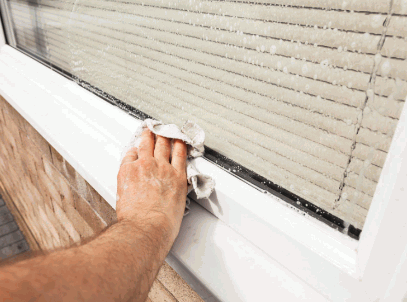
Following the sanding process, it is essential to clean the frames to eliminate any dust or debris that could interfere with the painting procedure, thereby ensuring a clean surface for optimal paint adhesion.
Utilizing appropriate cleaning methods and supplies is crucial for effectively preparing the UPVC window frames. This initial step significantly impacts the quality of the final paint application, as any residual materials left on the surface can result in uneven application and potential peeling over time.
Below are several recommended cleaning methods:
- Soap and Water: A simple solution of warm water and mild soap can be highly effective in removing grime.
- White Vinegar: This eco-friendly option is particularly beneficial for addressing tough stains or marks.
- Commercial Cleaners: Specialized cleaning agents may also be used; however, it is important to ensure they are suitable for UPVC surfaces.
After washing, it is imperative to thoroughly rinse the frames with clean water and allow them to dry completely. Ensuring that no moisture remains is critical for achieving a smooth and successful painting outcome.
Apply Primer
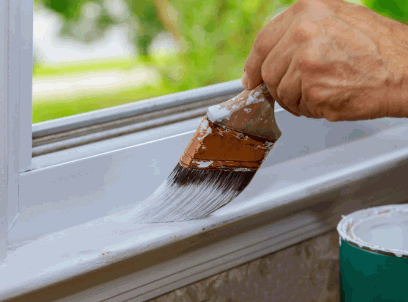
Applying primer to UPVC window frames is a critical step in ensuring optimal paint adhesion and achieving a long-lasting, durable finish.
The process commences with the selection of a high-quality primer specifically formulated for UPVC materials, such as a solvent-based or water-based option that offers excellent bonding capabilities. Consider using Zinsser Bulls Eye 1-2-3 Primer for best results. The importance of choosing the appropriate primer cannot be overstated, as it significantly impacts the longevity and overall appearance of the paint. Ahead of the primer application, it is essential to thoroughly clean the frames to eliminate any dirt or debris, ensuring a smooth application.
- Utilize fine-grit sandpaper to lightly scuff the surface of the frames, which enhances adhesion.
- Apply the primer using a brush or roller, ensuring even coverage across the surface.
- Allow the primer to dry in accordance with the manufacturer’s guidelines, typically between two to four hours, as this is vital for achieving optimal results.
Once the drying process is complete, one may proceed with the application of the top coat, confident that proper preparation has established the foundation for an outstanding finish.
Paint The Frames
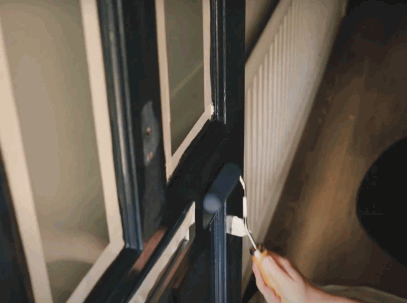
Once the primer has dried, it is time to proceed with painting the frames. Selecting the appropriate painting techniques will contribute to a durable and aesthetically pleasing finish. Optimal application methods can enhance both the longevity and appearance of the project.
To commence the painting process, it is essential to consider the tools at your disposal, as each method offers distinct advantages:
- Brushes: Ideal for precise areas and detailed work. It is advisable to use a high-quality brush with synthetic bristles to achieve smooth, even strokes.
- Rollers: Excellent for covering large surfaces quickly. Selecting the appropriate nap length is crucial, depending on the texture of the frames.
- Sprayers: Suitable for attaining a professional finish, particularly on intricate shapes. Practicing on scrap material is recommended to master the technique.
Regardless of the chosen method, it is important to apply the paint in thin, even coats. This approach prevents drips and promotes a uniform sheen. Aim for a final surface with the desired gloss level by selecting the appropriate paint finish.
Remove Painter’s Tape And Touch Up
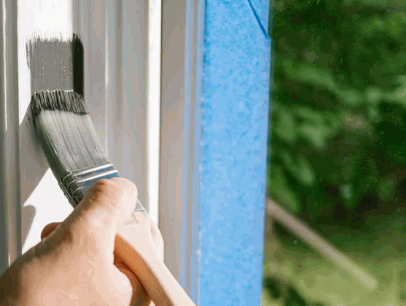
After the paint has completely dried, the careful removal of the painter’s tape and touching up any necessary areas will finalize the paint job, resulting in UPVC window frames that appear fresh and well-maintained.
The process of removing painter’s tape is essential for achieving a clean and professional finish. It is advisable to begin by gently pulling the tape at a 45-degree angle away from the painted surface. This technique minimizes the risk of peeling paint underneath. In cases where resistance is encountered, utilizing a utility knife to score along the edge of the tape prior to removal may be beneficial.
Once the tape has been removed, it is important to inspect the edges for any minor imperfections that may require touch-ups. By employing a fine brush and matching paint, addressing these areas promptly will help maintain the overall appearance of the work.
Regular maintenance recommendations to keep the painted window frames in optimal condition include:
- Cleaning with a soft cloth and mild detergent to eliminate dust and grime.
- Avoid abrasive cleaners that could potentially scratch the surface.
- Applying a fresh coat of paint or touch-up paint every few years to preserve the vibrancy and integrity of the frames.
By adhering to these guidelines, individuals can ensure that their painted UPVC window frames continue to exhibit a new and inviting appearance for years to come.
Tips And Tricks For Painting UPVC Window Frames
Painting UPVC window frames can be a highly rewarding DIY project, and having a set of guidelines in mind can help ensure the achievement of optimal results. A well-executed paint job not only enhances the aesthetic appeal of your home but also protects the frames from environmental elements, thereby extending their lifespan.
When initiating this project, it is crucial to begin with thorough preparation. Below are several strategies to guide the process:
- Cleaning: Carefully clean the surfaces to eliminate dirt, grease, and any remnants of old paint. A mixture of water and mild detergent is particularly effective for this task.
- Use the Right Primer: Select a primer specifically formulated for UPVC materials, as this will provide a strong foundation for the topcoat.
- Select Quality Paint: Choose an exterior paint that is designed for plastic surfaces to ensure improved adhesion and durability.
Addressing common issues such as paint peeling or fading can be effectively managed by ensuring adequate ventilation during the drying process and by applying multiple thin coats rather than one thick coat.
By following these practical guidelines, a successful painting endeavor is well within reach, resulting in impressive outcomes that make the effort worthwhile.
Conclusion
Painting UPVC window frames is an effective method for enhancing both the aesthetics and durability of a residence. With the appropriate preparation and techniques, homeowners can achieve a professional finish that revitalizes their property.
This rejuvenation process not only improves the exterior appearance but also provides increased protection against the elements, thereby extending the lifespan of the windows. By carefully selecting the appropriate type of paint, ensuring thorough surface cleaning, and applying multiple coats as necessary, homeowners can significantly enhance the overall efficacy of their home improvement initiatives.
- Proper preparation is essential, as it establishes the foundation for a flawless finish.
- Selecting weather-resistant paint ensures the retention of color vibrancy over time.
- Regular maintenance following the painting process guarantees lasting beauty and durability.
By emphasizing these steps, homeowners can elevate the visual appeal of their residences while also contributing to their overall value in the long term.